













Expert Insights
According to recent studies, 10.6% of Hoosiers reported having alcohol use disorder (AUD). We know that AUD can have both short and long term impacts on your health, including an increased likelihood of accidents, cardiovascular and liver disease, some cancers and premature death. As well, alcohol use disorder affects personal and professional relationships.
However, there is good news! Indiana has some of the top-rated treatment centers in the country and ranks 7th nationwide in terms of treatment affordability, making the journey toward a lifetime of sobriety just a one step away.
~ Cary Damerow, BA, LPN
How Much Does Drug Rehab Cost in Indiana?
Indiana is ranked 7th nationwide in terms of addiction treatment affordability, with an average cost of drug and alcohol rehab of $54,824 (without insurance).
- Medical detox is the most expensive, with an average cost of $135,161
- Long-term inpatient drug rehab in Indiana costs an average of $48,379
- Outpatient addiction treatment in Indiana costs an average of $8,039
- Outpatient methadone treatment is the most affordable, with an average cost of $7,142
The cost of Indiana drug rehabs varies widely, depending on the type of treatment, the level of care involved, amenities, and other variables.
Inpatient drug and alcohol programs, which require patients to live at the facility, are more expensive than outpatient. Inpatient includes meals and lodging. They may also provide other services, such as around-the-clock medical care and medication-assisted treatment, that may increase the cost.
Outpatient, on the other hand, allows patients to live at home, which typically makes these programs more affordable. Outpatient services may range from $5,000 to $10,000 for three months, while inpatient can cost as much as $60,000.
Don’t be discouraged by the potential cost. Many addiction treatment centers are willing to work with patients to help them get the care they need.
Low-Cost and Free Drug Rehab Centers in Indiana
If you do not have medical insurance and need financial assistance, you may want to look for government-funded drug rehab centers in Indiana. The state of Indiana allocates funds to treatment and detox centers across the state, which provide free or low-cost care to those in need.
State-funded facilities typically offer the same services and resources that are available through private programs. To qualify, you may need to provide documentation such as proof of income and medical history. You may also need to demonstrate your commitment to completing your entire plan as recommended.
How to Pay for Drug Rehab in Indiana
As of 2024, there were over 450 drug rehab facilities across the state of Indiana. These facilities accept several payment methods. Of those treatment facilities, the following numbers reflect how many accept their respective payment methods:

393 accept self-payment or cash

248 offer sliding-scale fees for those without insurance

326 accept Medicaid insurance coverage

272 accept state funded insurance coverage

341 accept private health insurance

144 offer free or low-cost treatment

3 offer free treatment for all clients

13 accept tribal funding
Does Insurance Cover Rehab Center Costs?
Indiana residents are able to reduce the cost of their care by taking advantage of their insurance benefits. If you have health insurance, whether that be private insurance, Medicare, or Medicaid, your plan provides coverage for some or all of the costs associated with help for substance use disorder.
Call your insurance provider to find out exactly what is covered and what you can expect to pay.
Private Insurance
Every insurance provider is required by Indiana law to cover substance abuse and mental health services to some extent. Residents in the state must contact their providers to learn more about specific coverage, including deductibles and copays.

Medicaid
Indiana Medicaid consists of several programs. Each one helps offer services for low-income Indiana residents, including rehab treatment. They include Healthy Indiana Plan, Hoosier Care Connect, Hoosier Healthwise, HoosierRx, Medicare Savings Program, Pharmacy Benefits, Traditional Medicaid, and Indiana Medicaid Covered Services.

Medicare
Indiana Medicare is a government program that provides coverage for residents who are over age 65 or have certain disabilities. You can use Medicare to pay for drug addiction treatment services, including rehab. However, not all rehab facilities accept this form of payment.
Does Indiana Have an Alcohol and Drug Problem?
Here are some recent and relevant stats related to drug and alcohol abuse in Indiana:2
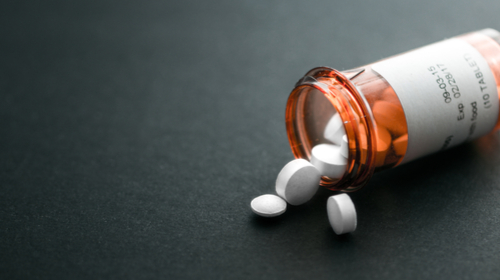
Between 2016 and 2017, Indiana experienced a 22% increase in drug overdoses.

Indiana had the third-highest overdose increase in the U.S., following New Jersey and Nebraska.

In Indiana, every day, as many as five overdose deaths occur, three of which are related to opioid use.

Nearly half a million people in Indiana meet the criteria for substance use disorder.
Important Alcohol and Drug Laws in Indiana
Indiana lawmakers have enacted several laws related to overdose prevention, harm reduction, and substance abuse treatment, including:

Opioid Treatment Program Expansion: Indiana recently expanded the number of opioid programs available statewide in order to improve access to care, especially in rural parts of the state.
Indiana Good Samaritan Law: Those who call 911 for someone who is experiencing an overdose receive immunity from prosecution for possession of drugs.
Indiana Lifeline Law: Similar to the above, this law provides immunity for someone who seeks medical assistance for someone experiencing an alcohol-related emergency.
Involuntary Commitment: Indiana residents may be involuntarily committed to addiction treatment if they qualify.
Naloxone Access Law: Anyone can purchase naloxone (Narcan) at a local pharmacy without a prescription, increasing access to this life-saving medication.
How to Choose The Right Level of Care
Medical Detox is often the first step of the recovery process. This is to help manage your withdrawal symptoms, keep you safe and comfortable during withdrawal, and help set you up for success with transitioning into comprehensive substance abuse treatment.

Inpatient treatment focuses on recovery without the distractions of your day-to-day life. In an inpatient program, you can expect your day to be carefully scheduled with one-on-one therapy, group therapy, and other activities such as life skills training.
Partial Hospitalization Programs (PHPs) are the most intensive option, you attend therapy and counseling for up to 30 hours per week at a hospital.

Intensive Outpatient Programs (IOPs) are a step up from standard outpatient, you attend treatment at a facility for between nine and 20 hours per week.

Standard Outpatient is the least intensive but most flexible option, including a few hours of therapy per week.

Aftercare is an ongoing support plan for you after your rehabilitation program. Common aftercare options include sober living homes, individual therapy, group counseling, family therapy, narcotics Anonymous meetings, alcoholics Anonymous meetings, and SMART Recovery meetings.
Should you Choose a Specialized Drug Rehab?

LGBTQ+
Rehabs that specialize in treating members of the LGBTQ+ community provide a safe space for patients to recover from drug and alcohol addiction. Providers also understand challenges unique to this community, such as internalized homophobia and transphobia, family rejection, social exclusion, and discrimination.

Faith-Based and Christian
Individuals with a strong religious practice may feel more comfortable in a faith-based facility that incorporates religious themes and lessons.

Holistic
Holistic programs take a whole-person approach to addiction recovery. They typically strongly emphasize exercise, nutrition, mindfulness, and creative expression. They are likely to offer yoga classes, nutritious food, acupuncture, meditation, and time spent in nature.

Luxury
Luxury programs cater to clientele seeking a high-end facility with a high degree of privacy. They may offer private rooms and a limited number of beds to ensure a low patient-to-staff ratio. Luxury facilities typically offer additional amenities such as personal trainers, gourmet meals, and spa services.

Executive
Executive facilities cater to high-performing individuals with demanding careers. This type of environment allows residents to experience the benefits of inpatient treatment while continuing to meet their career responsibilities. Schedules may be more flexible to allow patients to attend to work duties and participate in conference calls. A strong emphasis is placed on privacy and confidentiality.
Dual Diagnosis
Dual-diagnosis rehab centers employ therapists who are specially trained in various forms of trauma-informed therapy used to address conditions such as anxiety, post-traumatic stress disorder, and personality disorders.
What Are Common Addiction Therapies Offered?
When reviewing your options for treatment, you will likely see mention of types of therapy such as CBT, DBT, group therapy, family therapy, and other therapeutic approaches.
Accredited drug rehab centers in Indiana use a combination of evidence-based therapies to treat substance use disorder, prevent relapse, improve interpersonal communication skills, and promote other positive outcomes.

Cognitive behavioral therapy (CBT) helps patients identify patterns in their thoughts and understand how these patterns affect their behaviors. CBT is based on the idea that problematic feelings and behaviors often stem from faulty thought patterns — or cognitive distortions.

Dialectical behavior therapy (DBT) is a type of behavioral therapy designed to help patients accept situations, change their response strategies, regulate emotions, and tolerate distress. DBT aims to help patients recognize when their thoughts may be problematic and provides techniques to change those thoughts.

Motivational enhancement therapy (MET) helps people tap into their own motivation to change. Individuals with substance use disorder may have little motivation to change their behavior, even when they see it can be destructive. MET helps patients view their behaviors more objectively and helps them feel empowered to make positive changes.

Contingency management rewards individuals for positive behavioral change. Contingency management can be very effective in a rehab setting and can be used to increase compliance with other aspects of treatments.

Group therapy is commonly used in substance abuse programs. Group therapy can help patients improve their interpersonal communication skills in a safe setting, helps them feel connected to others, and provides them with a broader range of feedback.

Family therapy is based on the idea that when one member of a family or household is affected by a disorder, it affects everyone else. Family therapy can help everyone in the family recover and heal.12
Should You Travel for Drug and Alcohol Rehab in Indiana?
 Traveling to Indiana for substance abuse care may be a good option for individuals in neighboring states or from other areas seeking quality care.
Newsweek named seven alcohol and drug rehab centers in Indiana among America’s Best Addiction Treatment Centers in 2021.13 Many of the state’s facilities are located near Indianapolis, which is convenient to both neighboring Illinois and Ohio.
Here are some reasons you may want to consider traveling to Indiana:
- You prefer the climate of Indiana or need a change of scenery
- You want to attend a particular facility
- You have family or friends who live in the area and can provide support
- Your insurance covers treatment in Indiana
Resources
- U.S. Department of Health and Human Services. (2018). Principles of Effective Treatment.
- FindTreatment.gov. (n.d.). FindTreatment.gov.
- Indiana State Department of Health. (2019). Drug Overdose Epidemic in Indiana: Behind the Numbers.
- Indiana University. (2022). Addiction affects every aspect of Hoosier life.
- Substance Abuse and Mental Health Services Administration. (2021). Results from the 2020 National Survey on Drug Use and Health.
- Substance Abuse and Mental Health Services Administration. (2022). The Case for Screening and Treatment of Co-Occurring Disorders.
- Pettinati, H.M., & Dundon, W.D. (2011). Comorbid depression and alcohol dependence. Psychiatric Times, 28(6).
- National Institute on Drug Abuse. (2008). Comorbidity: Addiction and Other Mental Illnesses.
- Gielen, N., Havermans, R. C., Tekelenburg, M., & Jansen, A. (2012). Prevalence of post-traumatic stress disorder among patients with substance use disorder: it is higher than clinicians think it is. European journal of psychotraumatology, 3, 10.3402/ejpt, v3i0, 17734.
- Lawson, Nicole R. (2014). Posttraumatic stress disorder in combat veterans. Journal of the American Academy of PAs, 27(5).
- Ostacher, Michael J & Sachs, Gary S. (2006). Update on bipolar disorder and substance abuse: recent findings and treatment strategies. The Journal of Clinical Psychiatry, 67(9).
- Goretti, S. (2017). The relationship between personality disorders and substance abuse disorders. European Psychiatry, 41(S473-S474).
- Substance Abuse and Mental Health Services and Administration. (2013.) Family Therapy Can Help.
- Newsweek. (2021). America’s Best Addiction Treatment Centers.